
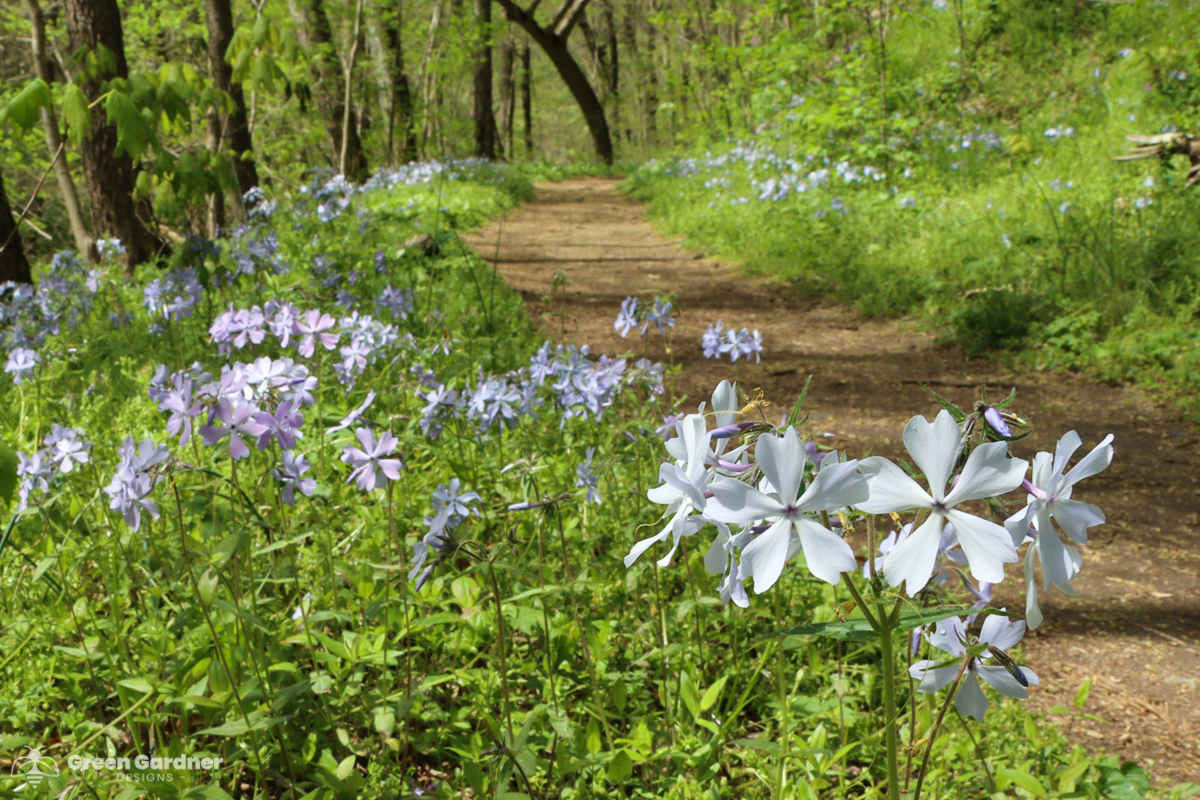
The Best Place to Experience Spring Ephemeral Wildflowers in PA!
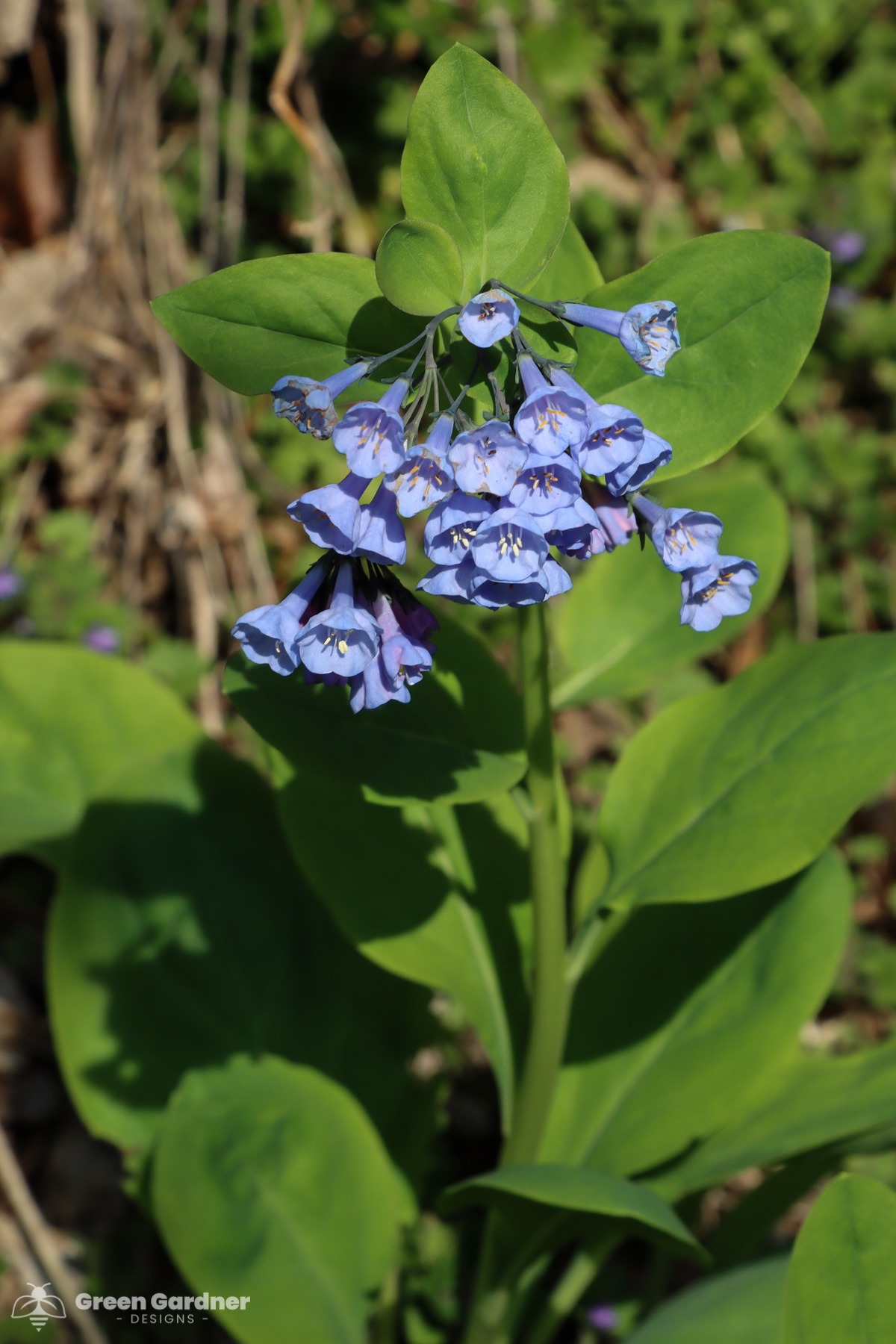
Shenk’s Ferry Wildflower Preserve is located right along the Susquehanna River in southern Lancaster County. The 90 acre preserve surrounds Grubb Run, a small spring-fed stream that cuts through a small valley on its way to the river. Both the upper and lower ends of the water course are bridged by railroad tracks, one defunct, one active. In between lies a rich tapestry of native wildflowers growing beneath a tall canopy of Sugar Maples, Tulip Poplars, White Oaks, Pawpaws, and Ironwoods. The history of the area includes a major train wreck and dynamite factory explosion, yet the plants remain. (Read more about that here: Uncharted Lancaster, Hidden History – abc27)

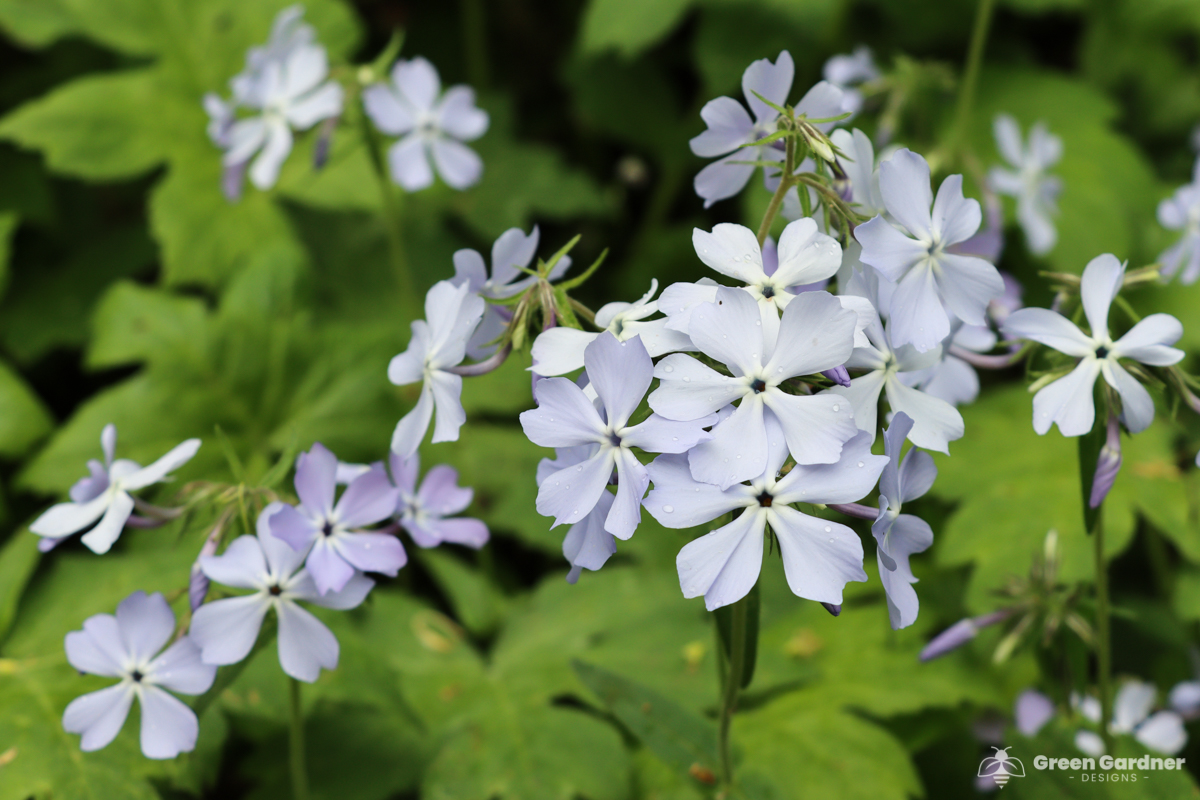
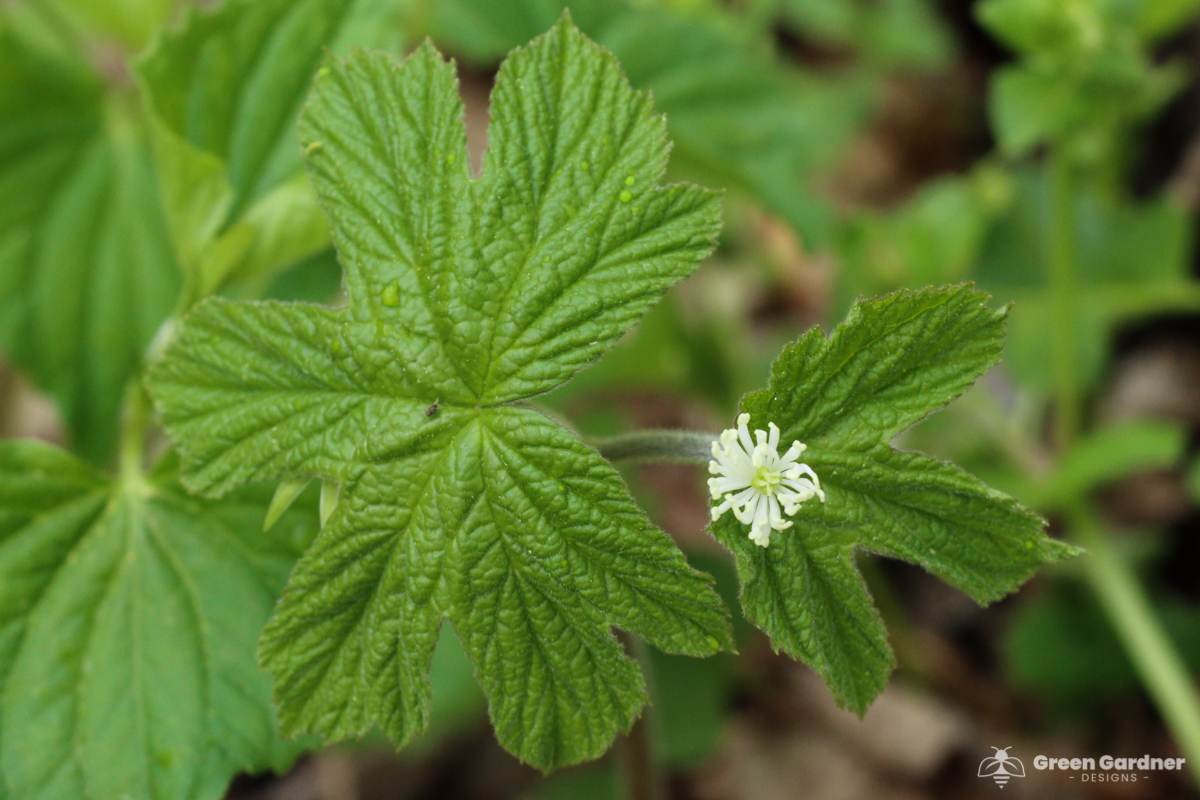
The wildflowers start blooming in March and continue through June, but the best time to witness this event is mid-April to the beginning of May. The progression of blooms starts with Hepatica and Early Saxifrage, then Virginia Bluebells, Spring Beauty, Dutchman’s Breeches, Bloodroot, and Susquehanna Trillium, and peaks by the time Woodland Phlox, Goldenseal, Golden Packera, and Eastern Columbine are on display.
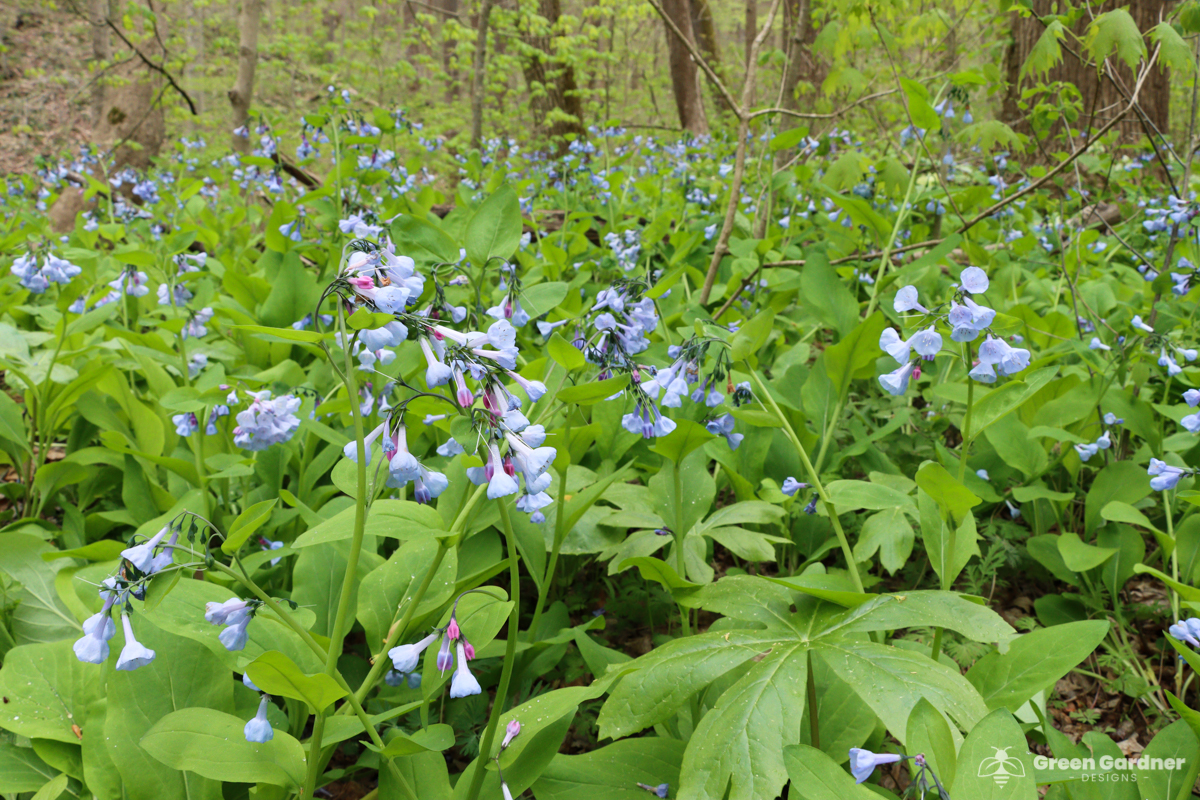
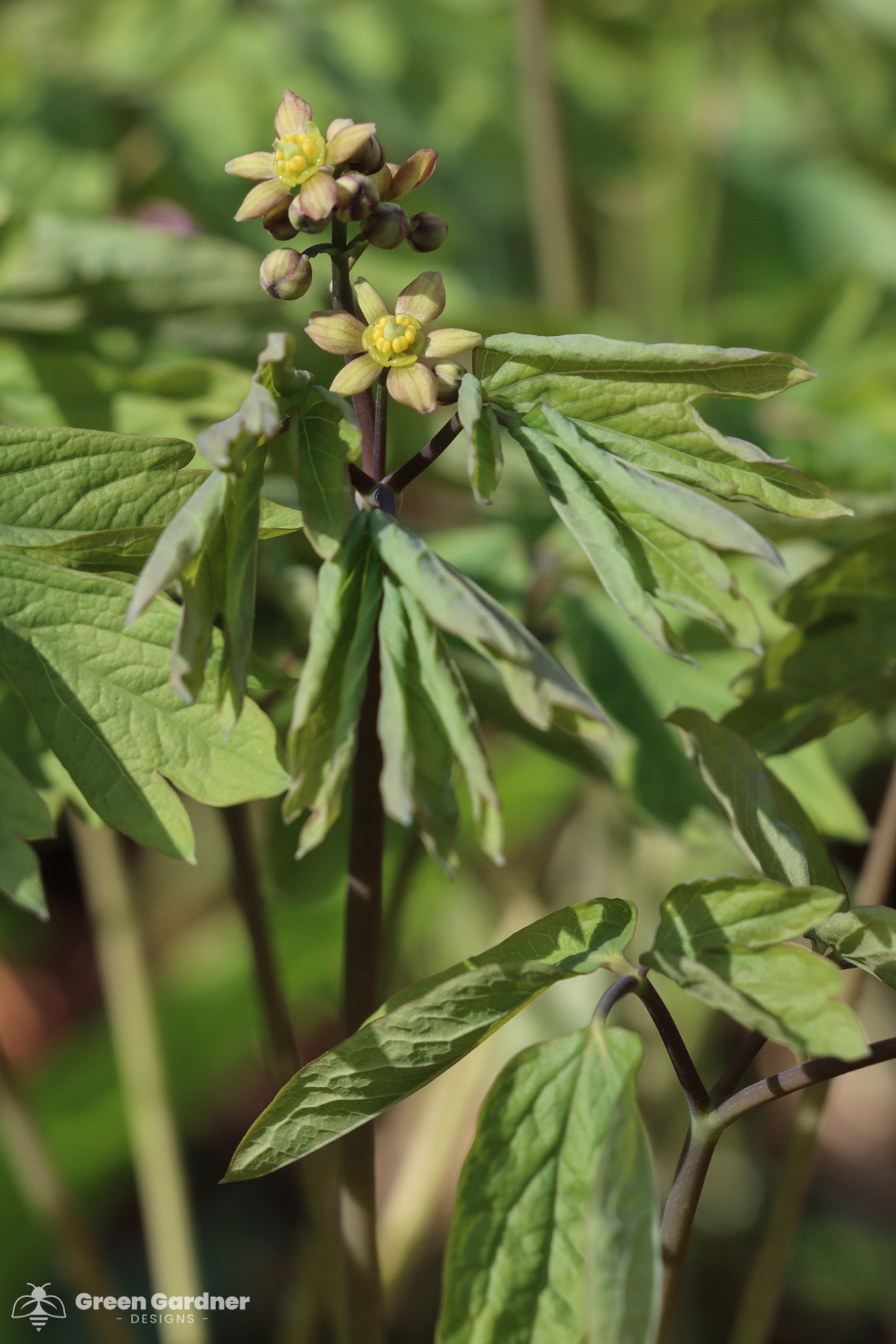
Spring ephemeral wildflowers have only one season: Spring. They emerge once the ground thaws in March and quickly unfurl their leaves to take advantage of the sun while the trees remain dormant. This is the key to ephemeral plants; taking advantage of ideal conditions that only exist for a limited amount of time. However, only a few of the hundreds of native wildflowers that grow in Shenk’s Ferry are true spring ephemerals.
Virginia Bluebells (Mertensia virginica), Dutchman’s Breeches (Dicentra cucullaria), Squirrel Corn (Dicentra canadensis), Spring Beauty (Claytonia virginica), Ramps (Allium tricoccum), Yellow Trout Lily (Erythronium americanum), Cutleaf Toothwort (Cardamine concatrenata), Mayapple (Podophyllum peltatum).
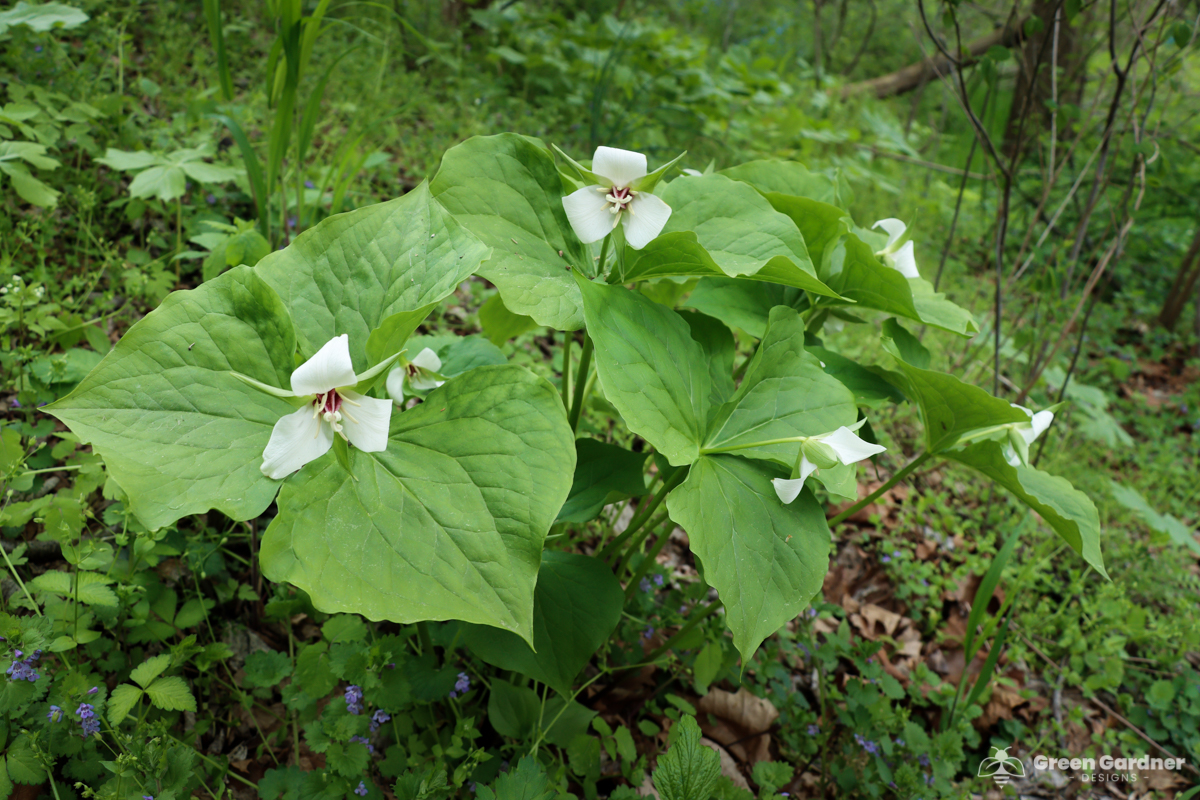
Many other flowers bloom at the same time, but retain their leaves for the rest of the summer to absorb the filtered sunlight through the trees.
Wild Geranium (Geranium maculatum), Susquehanna Trillium (Trillium flexipes), Blue Cohosh (Caulophyllum thalictroides), Woodland Phlox (Phlox divaricata), Bloodroot (Sanguinaria canadensis), Golden Packera (Packera aurea), Hepatica (Hepatica americana), Large Waterleaf (Hydrophyllum macrophyllum), Eastern Columbine (Aquilegia canadensis).
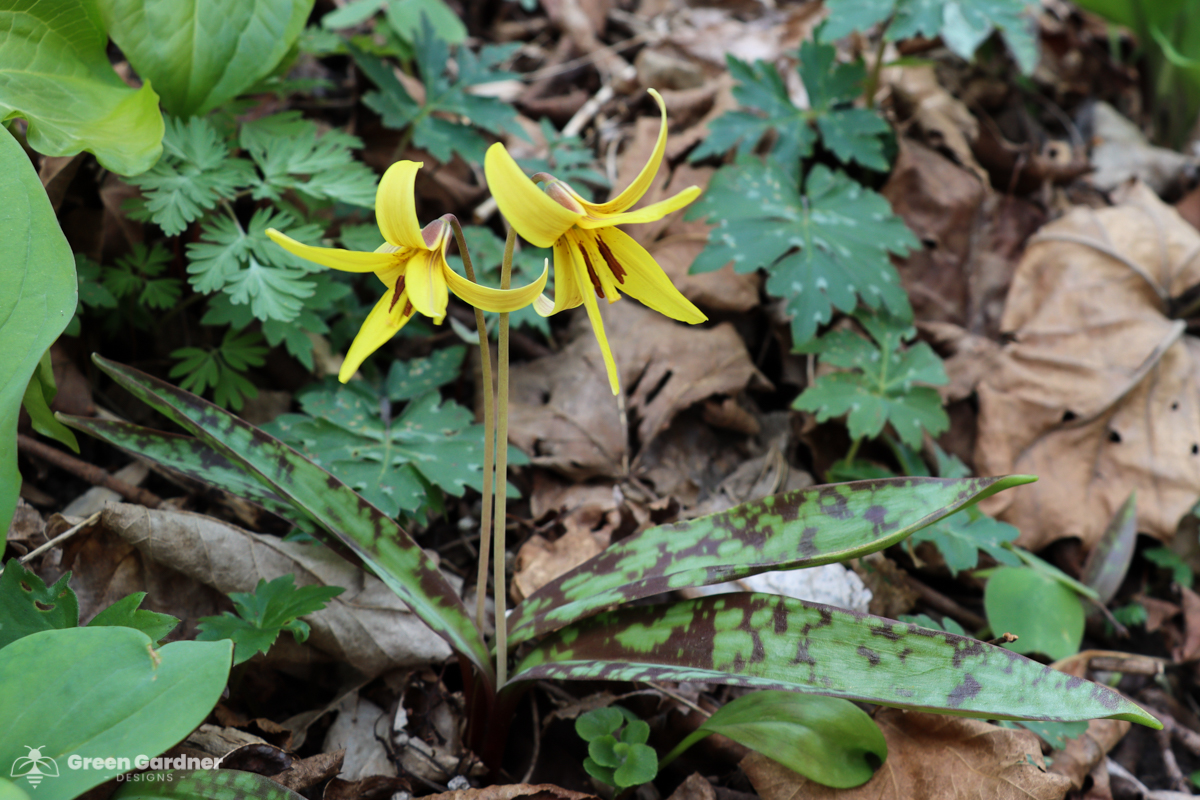
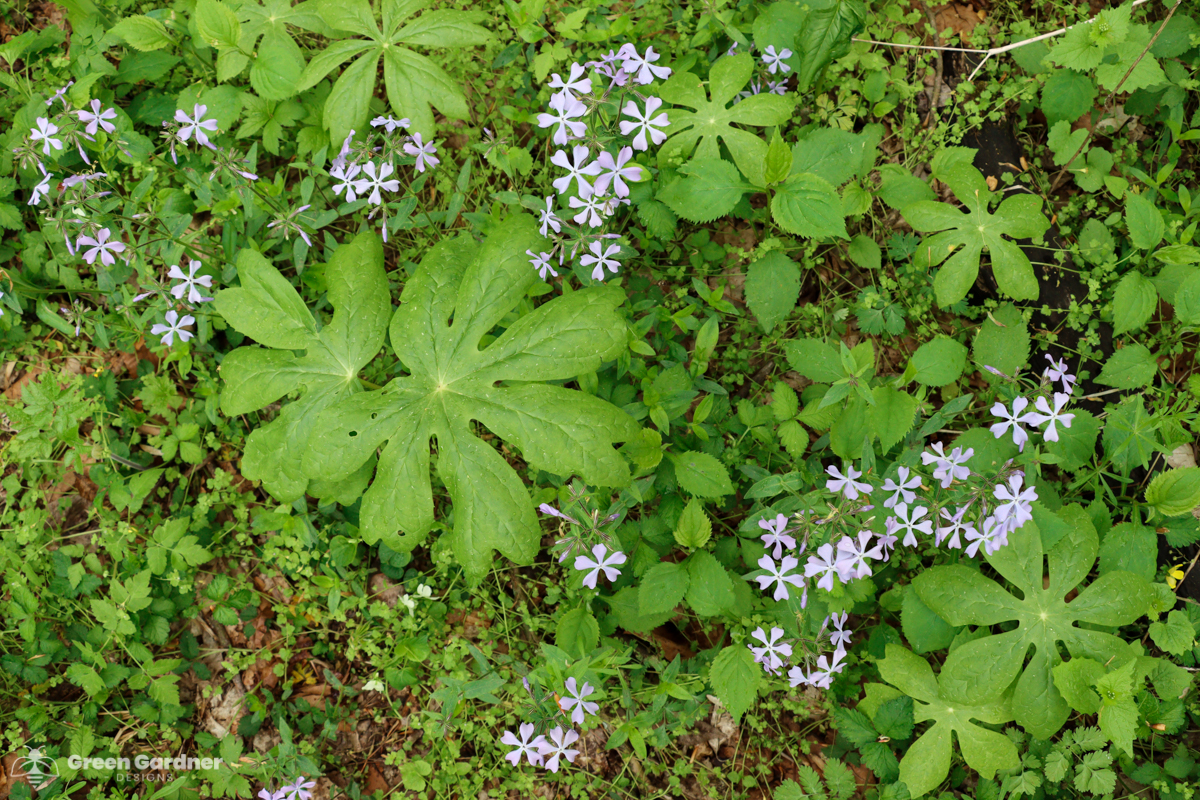
These wildflowers form a ground cover matrix that blanket the forest floor and weave between each other and the tree trunks. Each has its own strategy for not only surviving, but expanding. Mayapples, the little forest umbrellas, spread by underground rhizomes, while Golden Packera colonizes by ground-level stolons. Wild Geranium forms scattered populations by catapulting seeds by a spring-loaded mechanism in its seedheads, and Bloodroot, Dutchman’s Breeches, and Virginia Bluebells all have a little sugar packet, an elaiosome, attached to their seeds, which are gathered and thus dispersed by ants in a process called myrmecochory. Different growth habits, seed dispersal strategies, flower types and bloom times, along with many other individual characteristics form niches that are filled by each species.

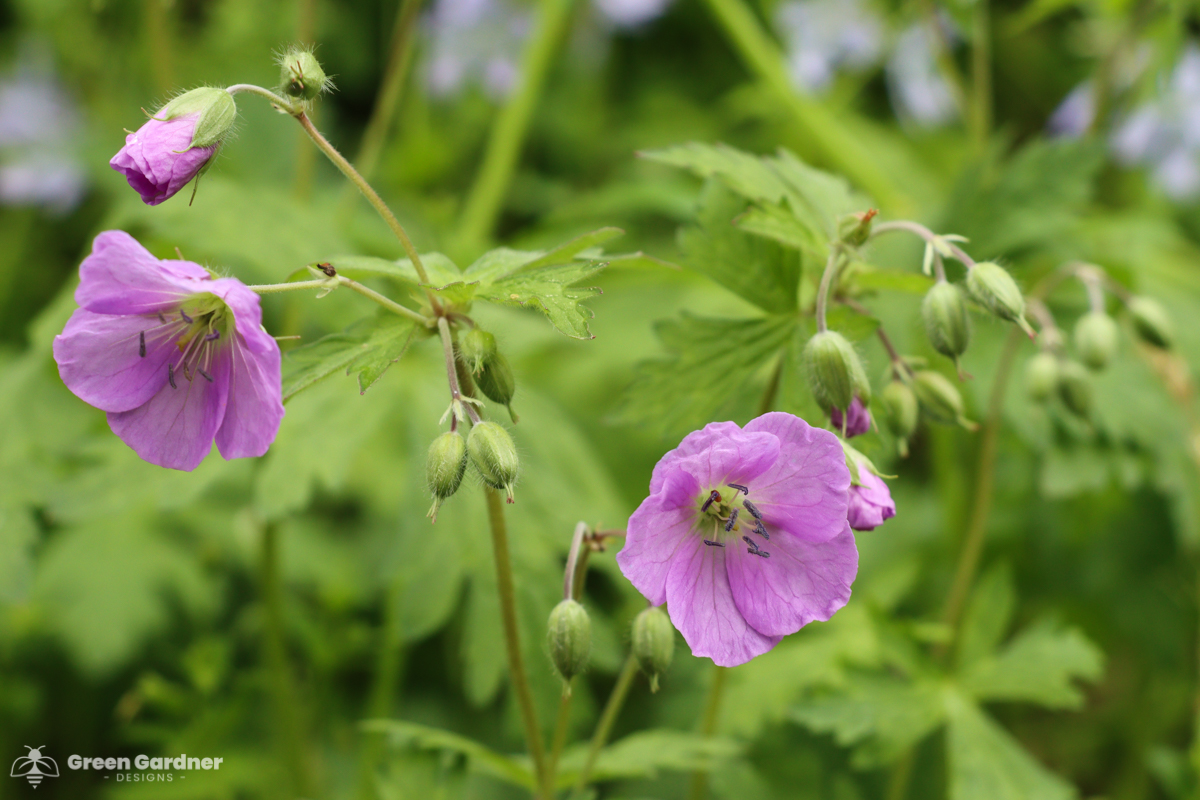
Every square foot brings new plants to discover!