

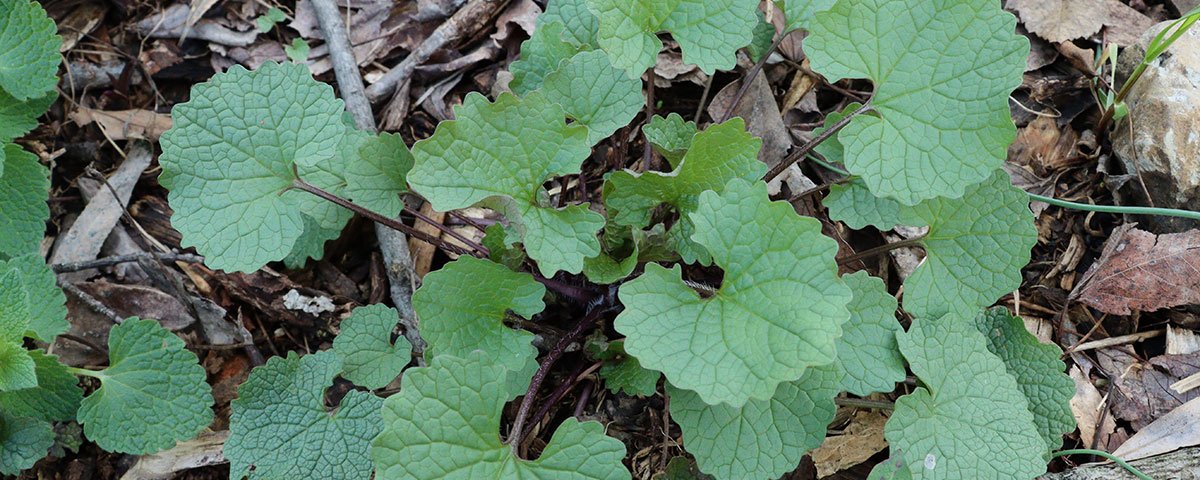
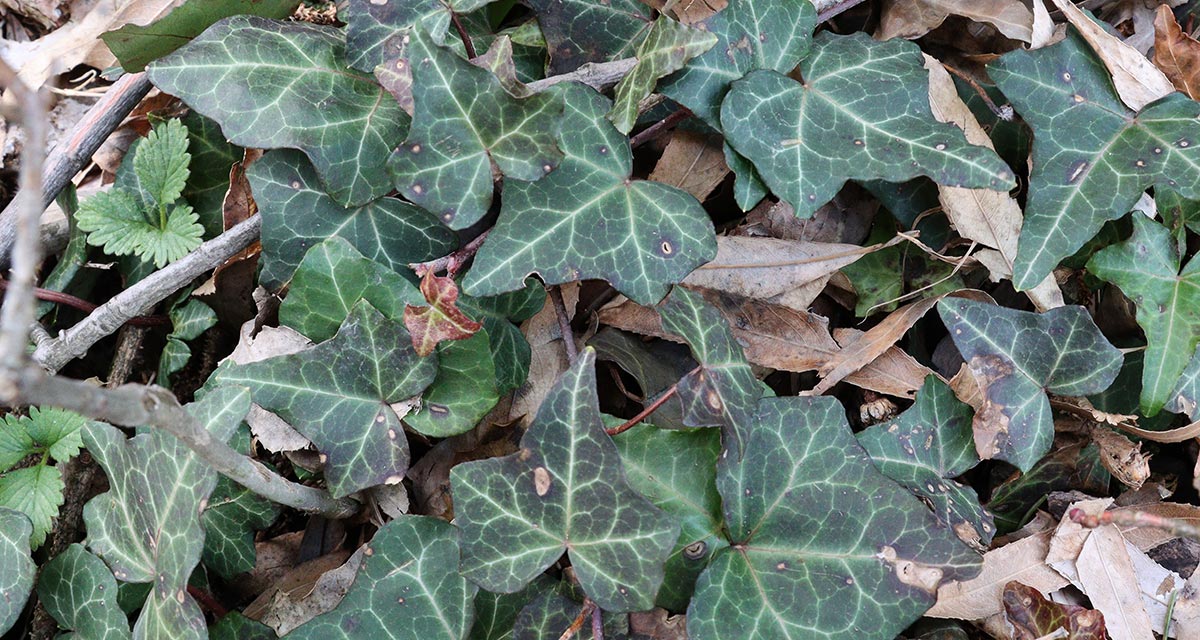
Weeds grow in the spaces forgotten or neglected and that’s where nature does the designing. In Pennsylvania, most of these patches will be full of common invasive species like Garlic Mustard (Alliaria petiolata), Common Ivy (Hedera helix), and Rose of Sharon (Hibiscus syriacus).
Even these plants can tell you about the sun exposure, soil moisture, and local deer and rabbit pressure. Look further and you’ll find common native species like Canada Goldenrod (Solidago canadensis), Honewort (Cryptotaenia canadensis), and Groundcherry (Physalis longifolia). These are often overlooked native plants that help you determine how rich the soil is and how much disturbance it sees.
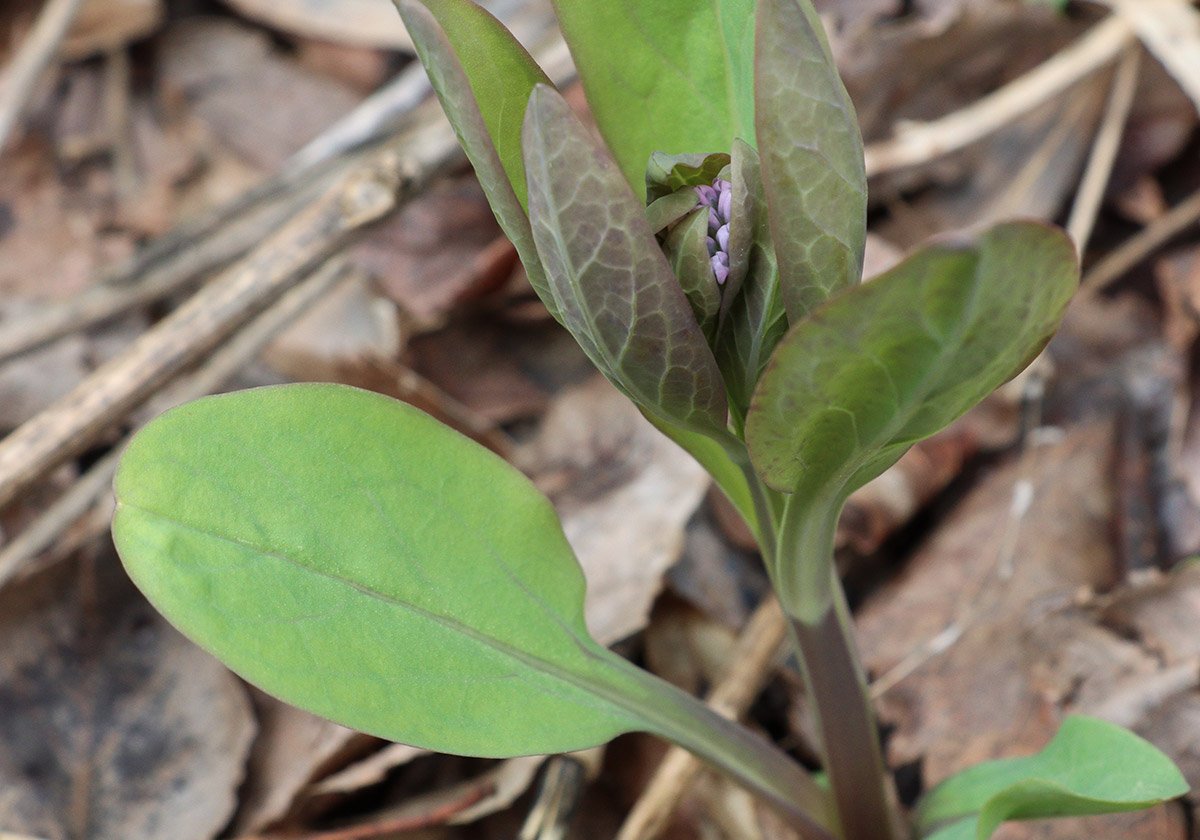
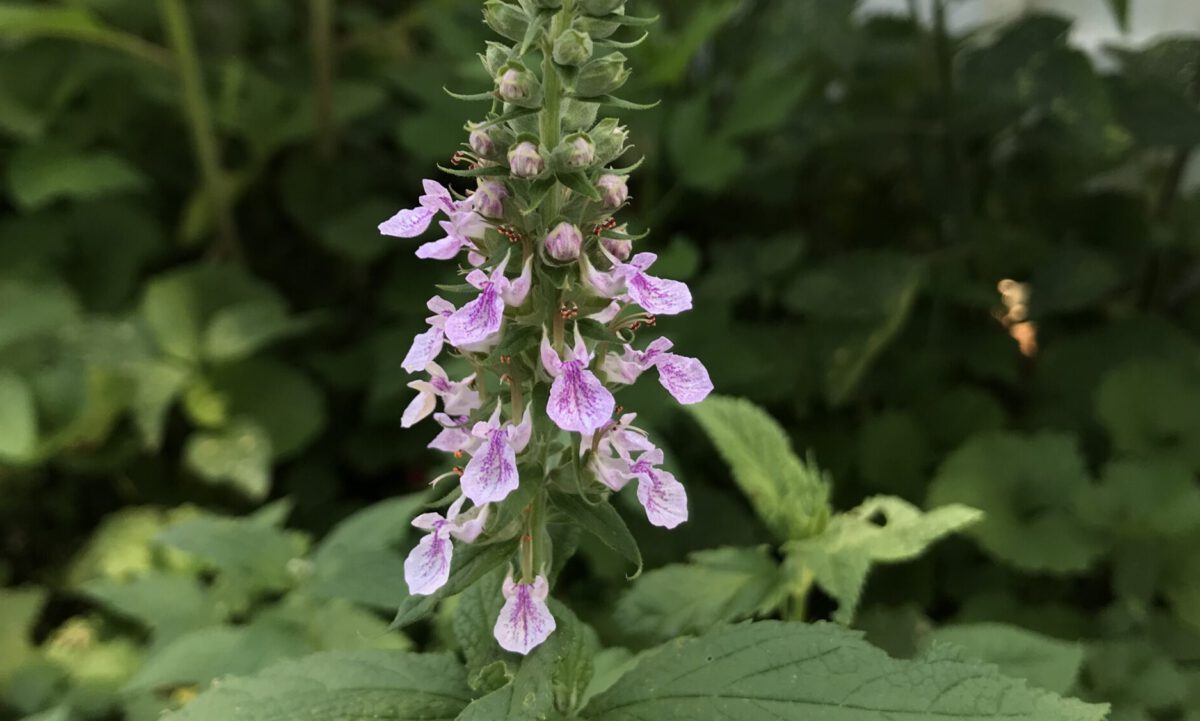
Keep looking and you can find interesting native species like Redbud (Cercis canadensis), American Germander (Teucrium canadense) and Virginia Bluebells (Mertensia virginica). These plants tell you that either there’s a relict to an old riparian forest floor or a previous landowner planted these. Their survival is a testament to the right environmental conditions, a gardener’s touch, or just the right amount of neglect. If I wouldn’t have waited until this spring, I never would’ve found the ephemeral Virginia Bluebells.
Take all of these plants together and it paints the picture of a garden with part-shade, rich and somewhat disturbed soil with consistent moisture. It also happens to be one of my gardens at my house.
We just moved to this house last July and in the 8 months since then I’ve been observing the weedy patches. I took some action early on to remove some invasive plants, but I’ve been slow to replace them because I wanted to see what would fill in naturally. I’ve been pleasantly surprised!
Now I know I want that space to become a woodland garden with plants that enjoy shade, rich and moist soil, and a little bit of disturbance. Native perennials that would do well here are Wild Ginger (Asarum canadense), White Turtlehead (Chelone glabra), Great Blue Lobelia (Lobelia siphilitica), and Woodland Bottlebrush Grass (Elymus hystrix). Short- lived species that would benefit from disturbance are American Bellflower (Campanulastrum americanum), Cardinalflower (Lobelia cardinalis), and Common Violet (Viola sororia).
Over time I’ll remove the rest of the invasive plants and some aggressive natives too. But I’ll keep the short-lived disturbance-dependent plants like Honewort and Groundcherry. They have value to me even though you can’t buy them at a plant nursery.